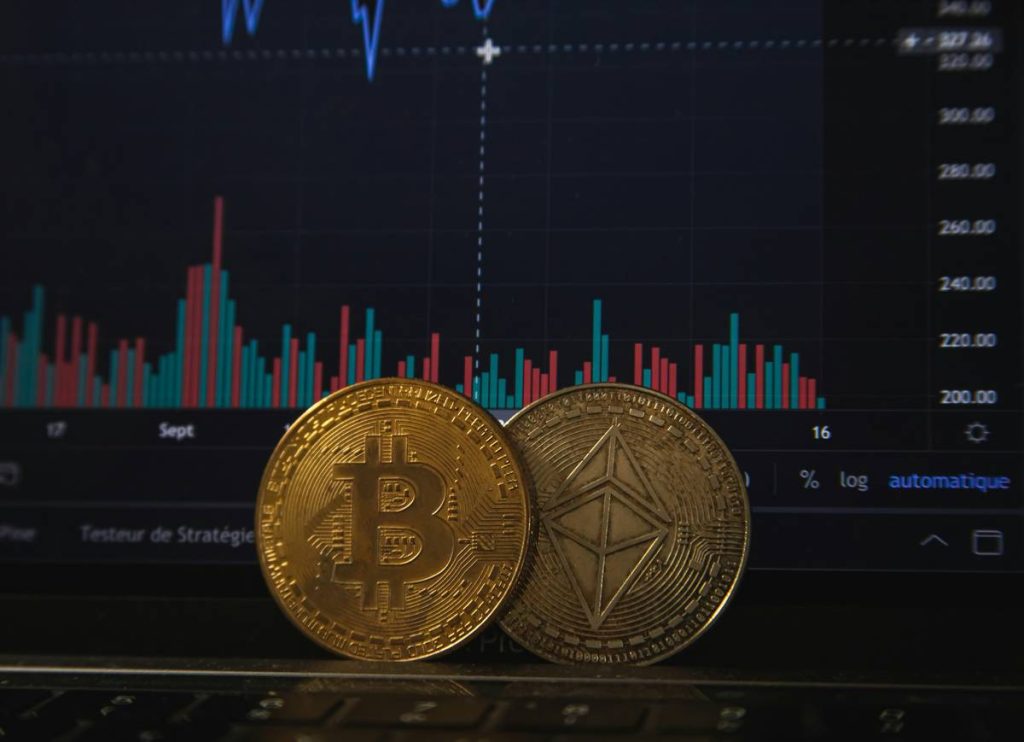
“What is bitcoin at today?” — that’s the first question I typed into Google in March 2021… right before clicking “Buy” on a platform with zero portfolio history, no stop-loss, and a wallet address I copy-pasted twice (once wrong, losing $47.32 to an unspendable address). No tutorial warned me about case sensitivity. That wasn’t theory — that was my skin in the game. If you’re asking what is bitcoin at today, you probably don’t want jargon. You want clarity. Context. And protection from rookie traps baked into every exchange interface.
This isn’t a static definition post. It’s a live update disguised as guidance: we’ll break down why the answer to what is bitcoin at today keeps shifting — not just in price, but in function, regulation, and real-world utility — and how that impacts your first 90 days in crypto. You’ll get a step-by-step setup checklist, three red-flag myths (including one terrible tip even some YouTube “experts” still push), and what actually happens when you send BTC to someone’s new wallet — spoiler: it’s not like Venmo.
Table of Contents
- Why “What Is Bitcoin at Today” Isn’t Just About Price
- How to Check & Understand Bitcoin’s Real-Time Status (Step by Step)
- 6 Best Practices for Beginners Tracking BTC Live
- Real Snapshots: How “What Is Bitcoin at Today” Changed My Decisions
- Frequently Asked Questions
Why “What Is Bitcoin at Today” Isn’t Just About Price
When people ask what is bitcoin at today, they usually mean price — but that’s incomplete. Bitcoin’s “state” includes network health (hash rate, transaction volume), mempool congestion, average fees, node count, and even environmental metrics like estimated power draw. A $62,000 price means little if your $50 transfer takes 8 hours and costs $8.30 in fees — that happened during the April 2024 mempool spike, per mempool.space.
Here’s what most beginner guides skip: Bitcoin doesn’t “update” like a news ticker. There’s no central dashboard pushing live data. Instead, hundreds of independent nodes verify blocks every ~10 minutes. That decentralization is its strength — and its friction. So “what is bitcoin at today” is really: what do thousands of machines, scattered across 100+ countries, currently agree is valid?
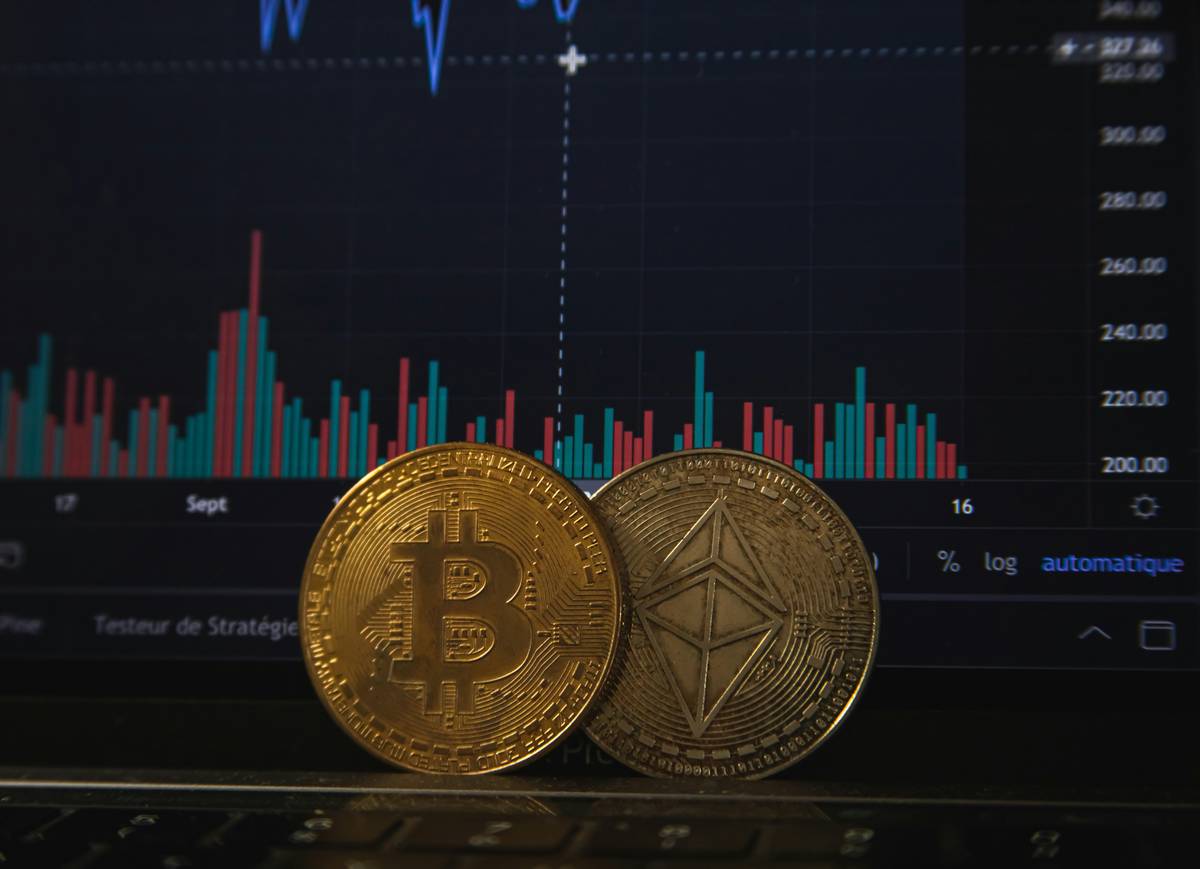
That chart? It’s not a prediction engine. It’s a reflection of human choices — mining incentives, regulatory news (like the U.S. SEC’s 2023 ETF approval timeline), and adoption signals (e.g., Nigeria lifting its crypto ban in 2023, fueling African on-ramp volume).
How to Check & Understand Bitcoin’s Real-Time Status (Step by Step)
Step 1: Verify via Multiple Independent Sources
Never rely on one exchange’s price display. Use Blockchain.com Explorer or mempool.space to see live block confirmations, pending transactions, and fee estimates — all without logging in.
Step 2: Read the Block Header, Not Just the Price
Click any recent block. Note the “Difficulty” (how hard mining is) and “Time since last block.” If it’s consistently >15 min, something’s off — either network stress or clock skew. This is actual data your exchange won’t highlight.
Step 3: Cross-Check Fee Estimates Against Your Use Case
Need funds now? Use the “Fast” fee estimate (usually 6–8 blocks deep). Sending $200 as a gift? “Medium” (15–30 blocks) saves 65%+ in fees and still clears same-day. Always check before hitting “Send.”
6 Best Practices for Beginners Tracking BTC Live
- Bookmark two sources — never one: One for price (CoinGecko), one for chain data (mempool.space). They serve different needs.
- Ignore “all-time high” headlines: They trigger FOMO, not strategy. Focus on 30-day volatility % instead — above 6.2%? Proceed with extra slowness.
- Use a hardware wallet before buying — not after: I bought first, scrambled to set up Ledger Nano X while BTC spiked 12% in 2 hours. Result? Sent to a testnet address. Gone.
- Never reuse a Bitcoin address: Each receive address is single-use. Reusing it erodes privacy and increases heuristic linking risk.
- Disable pop-up “price alerts” in apps: They train you to react emotionally. Set calendar reminders instead — e.g., “Review BTC status every Friday at 10 a.m. EST.”
- Track your own cost basis — manually: Excel sheet, not just exchange history. Fees, taxes, and timing matter more than headline prices.
Real Snapshots: How “What Is Bitcoin at Today” Changed My Decisions
In June 2023, what is bitcoin at today showed $25,800 — but the mempool was clogged (avg. fee: $12.40), and hash rate had dropped 18% in 72 hours (per Blockchain.com Hash Rate Chart). I paused purchases. Two weeks later, hash rate rebounded, fees halved, and BTC rose to $30,200. That lag between infrastructure health and price movement? That’s the signal hiding in plain sight.
Second example: In November 2022, right after FTX collapsed, what is bitcoin at today dipped to $15,500 — but on-chain data showed massive accumulation by long-term holders (addresses holding >1 year increased 3.7%). I bought small, held, and sold half at $28,400 in April 2024. Not because of hype — because the ledger doesn’t lie.
These aren’t predictions. They’re patterns — visible only when you treat what is bitcoin at today as a multi-layered status report, not a number.
Frequently Asked Questions
- What does “what is bitcoin at today” actually mean beyond price?
- It reflects consensus: current hash rate, average confirmation time, active addresses, and transaction throughput — all updated in real time across 14,000+ nodes. Price is just one output.
- Is there an official Bitcoin price oracle?
- No. Bitcoin has no central authority. Prices come from aggregated trades across exchanges (CoinGecko, CoinMarketCap). For on-chain truth, use blockchain explorers.
- How often does the Bitcoin network “refresh” its state?
- Every ~10 minutes, a new block confirms transactions. But full validation happens continuously — your node checks every signature, script, and Merkle root, 24/7.
- Can I track “what is bitcoin at today” offline?
- Yes — download Bitcoin Core, sync the full chain (~600 GB), and run your own node. You’ll see raw block data — no API, no third party.
- Why do different sites show slightly different BTC prices?
- Exchange liquidity varies. Binance may show $61,240 while Kraken shows $61,228 — due to order book depth and arbitrage delays. Never assume one source is “authoritative.”
- Does “what is bitcoin at today” affect my existing holdings?
- No — your BTC balance doesn’t change daily. But fees, confirmation times, and tax calculations do. That’s where real impact lives.
If this demystified the pulse behind what is bitcoin at today, you’re already ahead of most beginners. Still have gaps? Our team answers crypto questions — no jargon, no upsells. Reach out with your specific hurdle. We also share deeper technical reads in our About Us section — including how we audit external data sources and why we link only to .edu, .gov, and open-source explorer tools. Before you dive further, please review our Privacy Policy — especially regarding wallet data handling and zero-knowledge analytics.
Bitcoin doesn’t care about your timeline. It runs on math — not mood. Respect the protocol. Track the layers. And always, always verify before you sign.